

Vintage watch restoration
Vintage watch restoration.
Sensitive care for treasured vintage timepieces, guided by their condition, character and history.
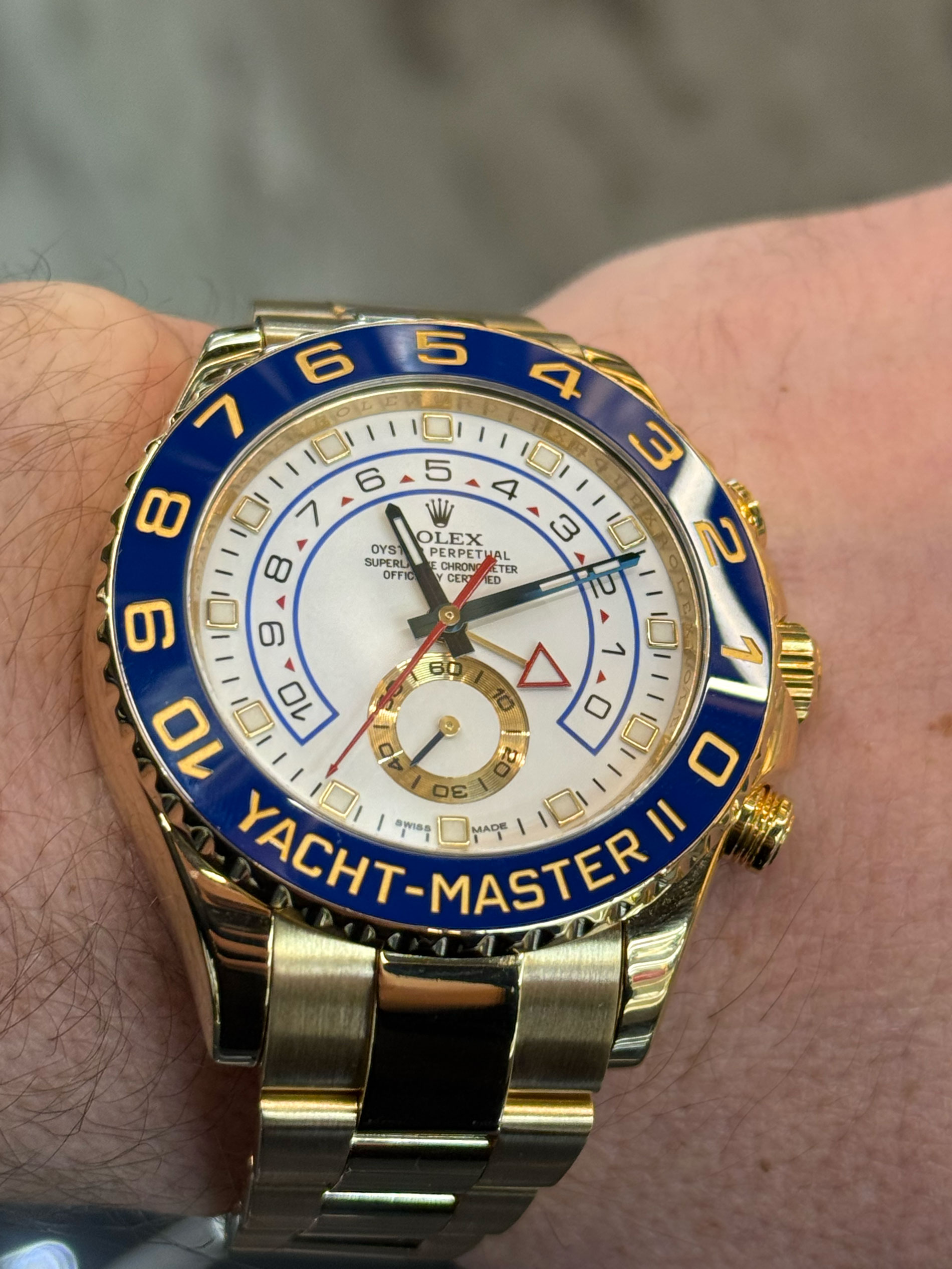
“Thank you for bringing my watch back to life, it feels new again!”
Our Hatton Garden workshop
An individual approach to restoration.
Begin with an assessment of your watch and a conversation about what you would like to preserve or restore.
- Assess the watch's condition and requirements
- Discuss its history and your priorities
- Identify the work and components needed
- Agree an appropriate restoration approach
- Carry out checks suited to the timepiece
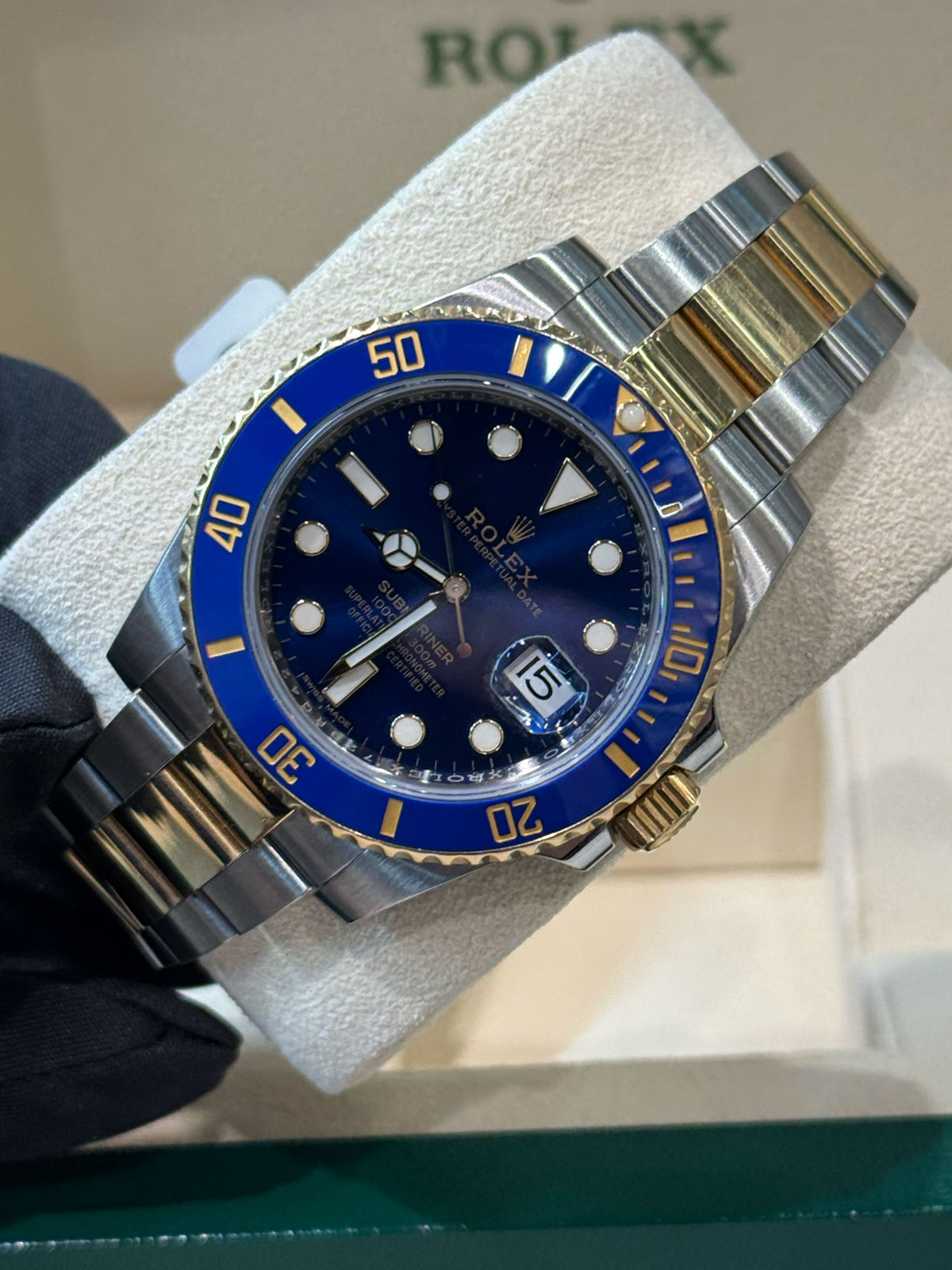
Vintage watch restoration
Talk to a watchmaker.
Tell us about your watch. We’ll email you with the next step.
Care without the guesswork.
Founder-led expertise
25 years of watchmaking experience, applied to the assessment of your watch.
Explore our workshopA clear next step
Discuss the proposed work and estimate before deciding how to proceed.
Make an enquiryFrom enquiry to workshop
Personal care. Clear next steps.
-
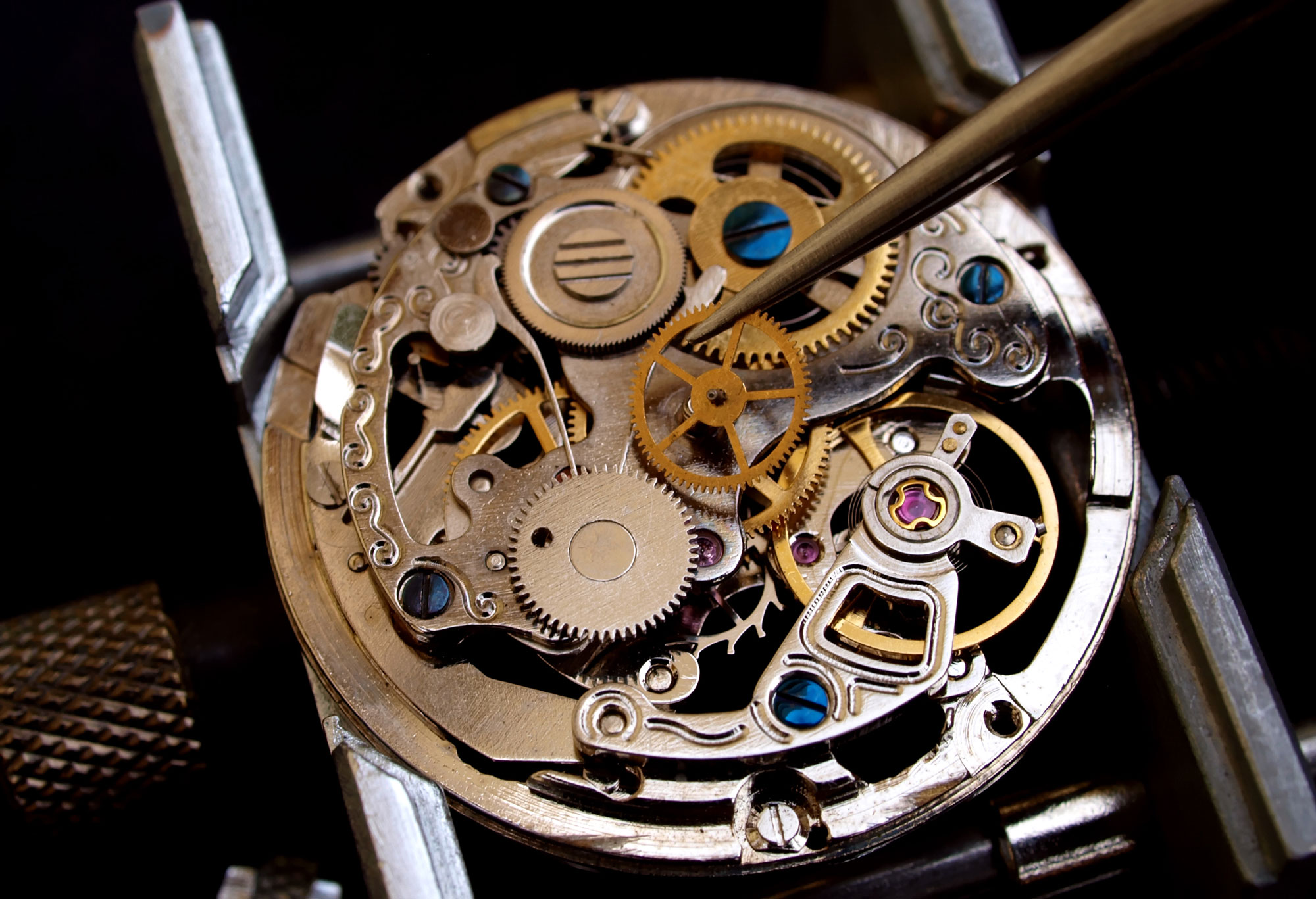
Your watch
Share the model, symptoms and any service history you know.
-
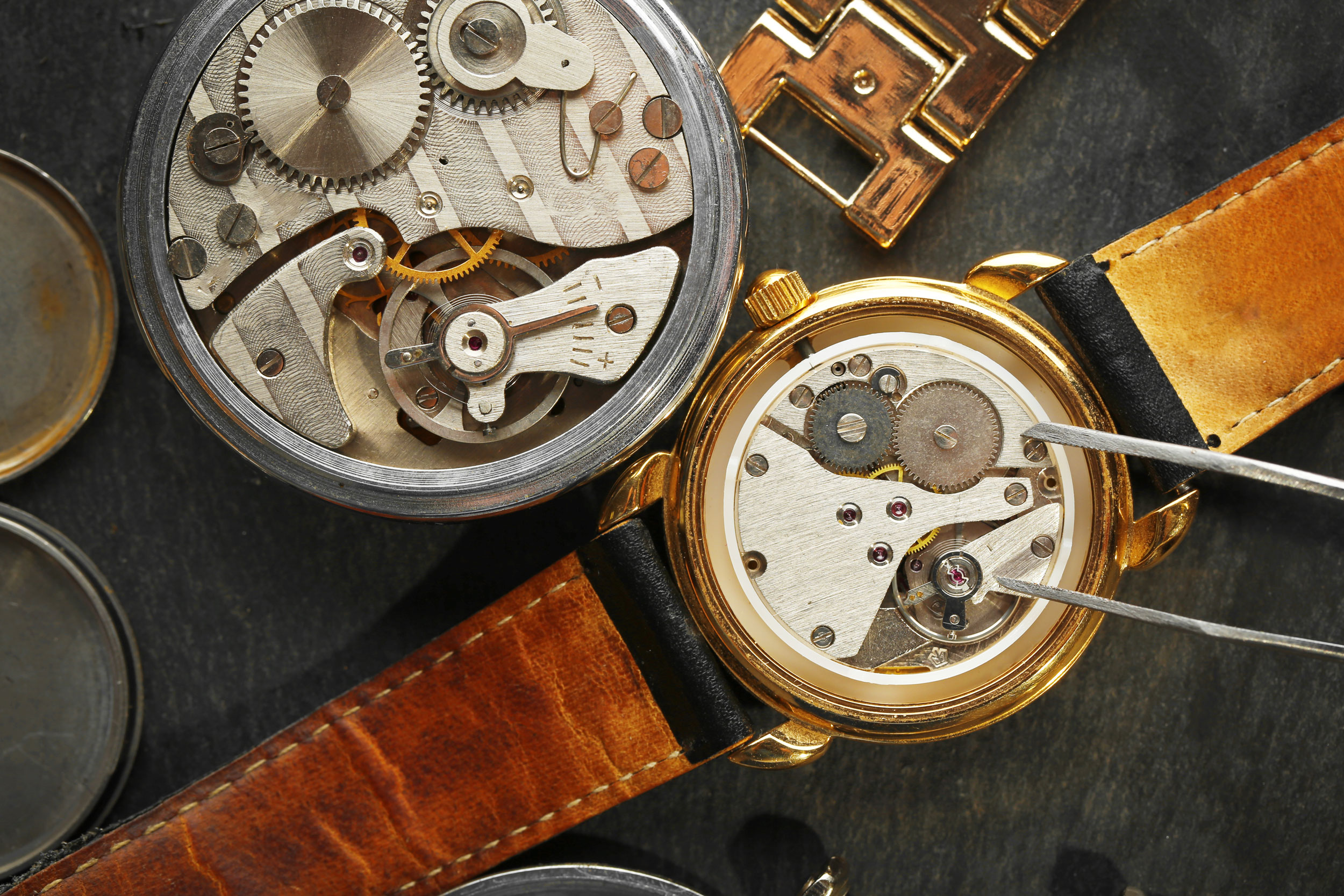
Your assessment
Understand the proposed work and estimate before deciding.
-
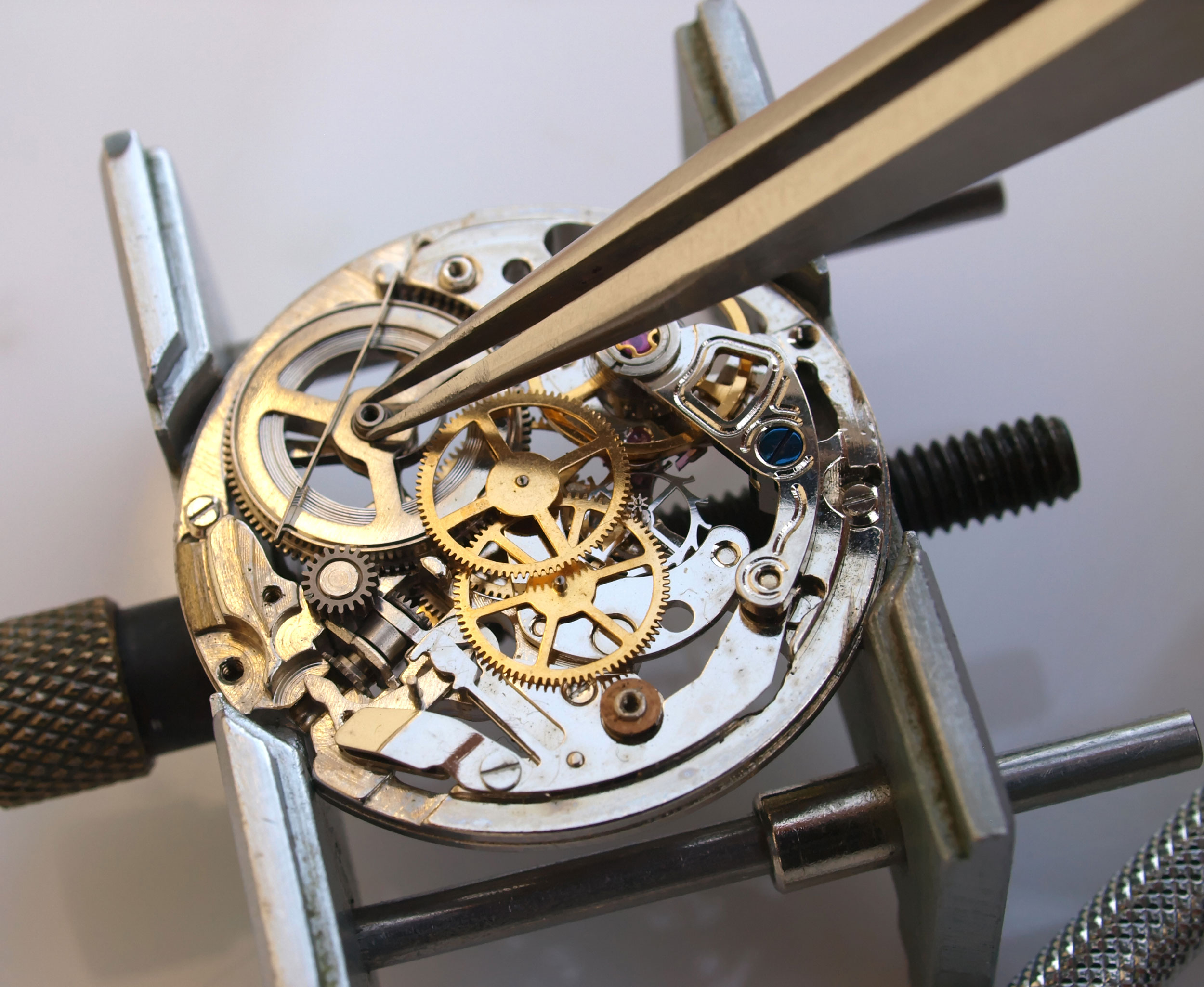
Care & final checks
Agreed work is followed by checks suited to your watch.
Before you
entrust it to us.
Not sure what your watch needs? Speak with our watchmakers about the next step.
Ask our watchmakersWhat will restoration cost?
Costs depend on the watch and work required. Following an assessment, the team explains the estimate so you can decide how to proceed.
How long will it take?
The condition, complexity and availability of parts affect timing. An estimated completion time is provided after inspection.
Will you preserve the original parts and patina?
The approach prioritises originality wherever practical. Discuss which details matter to you; proposed replacements or refinishing should be agreed before work starts.
What should I include in my enquiry?
Share the brand, approximate age and any known service history. Tell us what matters most to you, including original parts, finishes or sentimental details.
Is my enquiry a confirmed booking?
Not yet. This form starts a conversation about your watch. Please wait for the team to confirm the next step and agree a time with you before treating it as an appointment.
Find the workshop.
Open Google MapsVintage watch restoration with originality in mind
Vintage watch restoration is a series of decisions as much as a piece of workmanship. A watch made decades ago carries the marks of its own history: an aged dial, a softened case, a crown that may or may not be the one it left the factory with. Good restoration starts by understanding all of that before anything is changed. Alpha Group is an independent watch servicing, repair and restoration workshop in Hatton Garden, London, and every older watch that comes in is assessed on its own terms.
This page is for owners weighing up vintage watch restoration for an older watch, whether it is a family piece that stopped years ago or a collectable model that needs attention. It covers the difference between servicing, conserving and restoring, the parts of a vintage watch that matter most to originality, and the questions worth settling before any work begins.
Servicing, conservation and vintage watch restoration
These words are often used interchangeably, but they describe different aims, and being clear about them before vintage watch restoration begins avoids disappointment later.
- Servicing deals with the movement: taking it apart, cleaning, inspecting, lubricating, reassembling and regulating it so it runs reliably.
- Conservation aims to stabilise a watch as it is. Wear and age are left visible, and only what is needed to stop further deterioration is done.
- Restoration goes further, bringing a watch back towards how it once worked or looked. That can involve replacing parts, refinishing surfaces or rebuilding damaged areas.
Most vintage watch restoration sits somewhere between the last two. The movement is brought back into good running order, while the case, dial and hands are left as original as the owner wants them to be. Where an owner wants a crisper appearance, that is a legitimate choice too, as long as its effect on originality is understood first.
Signs a watch may need vintage watch restoration
A vintage watch rarely fails all at once. These are the signs that usually prompt an owner to have it looked at:
- It has stopped, or it runs for a short while after winding and then stops again.
- Timekeeping has become erratic, gaining or losing noticeably from one day to the next.
- The crown feels gritty, slips without winding or no longer sets the hands cleanly.
- Condensation appears under the crystal, or there is visible dust or debris on the dial.
- The hands catch on each other or on the crystal, or the seconds hand stutters.
- Luminous material on the dial or hands is flaking, crumbling or coming loose.
- The crystal is cracked, crazed or lifting from the case.
If a watch shows moisture under the crystal or loose particles on the dial, it is best to stop wearing and winding it until it has been looked at. Running a movement with debris or moisture inside can turn a straightforward job into a much bigger one.
Originality: what matters in vintage watch restoration
Collectors judge vintage watches heavily on originality, and so do many owners who simply want to keep a watch as it was. The case, dial, hands, crown, crystal and bracelet all contribute. A watch can be mechanically perfect and still have lost much of its character if the wrong parts have been fitted or the surfaces have been reworked too far.
Dials and hands
The dial is usually the most important single part of a vintage watch. Ageing can take many forms: a warm tone to the luminous material, gentle fading, or even spotting on the surface. Some of these changes are prized as patina; others are simply damage. Refinishing a dial, sometimes called redialling, replaces the original surface and printing, and among collectors an original dial in honest condition is usually preferred to a refinished one. It cannot be undone, which makes the dial one of the biggest decisions in vintage watch restoration.
Cleaning an old dial is also riskier than it looks, because printing and lacquer can lift with very little encouragement. Older luminous material can contain radioactive compounds, such as the radium paint used on some early watches, which is another reason to leave dials and hands to a workshop. Hands are just as easy to damage and just as hard to replace with exact originals.
Cases, crystals and crowns
Many vintage cases have already been polished at some point, so there may be less metal left than there appears to be. In vintage watch restoration, a thorough clean often reveals more than a polish would, and it keeps the case shape intact. If refinishing is wanted, our refurbishment and polishing page explains the trade-offs in detail.
Older watches commonly use acrylic crystals, which can often be polished or replaced with a similar domed profile; see watch glass replacement for more on crystals. Crowns and case-back seals age too, and a replacement crown may not match the original signature or shape exactly, so it is worth asking about before it is fitted.
Parts and older movements in vintage watch restoration
The availability of parts for an older watch depends on the brand, model, age and how many were made. Some movements were produced in large numbers and are relatively well supported; others are scarce, and a missing part can be the single biggest factor in what a restoration involves.
When a part is no longer available, the options vary. Sometimes the original can be repaired; sometimes a suitable part can be found from another source; occasionally a part has to be made. Each route has implications for originality, cost and timing, which is why the proposed work is explained before you approve it. If you would like any replaced parts returned to you, say so at the start. Where a manufacturer requires an exchange part to be surrendered, this is explained before you approve the work.
Water resistance and vintage watches
Most older watches should be kept away from water, whatever their dial says. Gaskets harden and shrink with age, crystals and case backs may no longer seal as they once did, and some vintage designs were never meant to be worn in water in the first place.
Where a watch can be pressure tested after vintage watch restoration, the test checks it at the time of testing. The pressure tested may differ from the original rating, and it does not guarantee permanent water resistance. In practice, treat a restored vintage watch as something to keep dry, and keep the crown fully pushed in or screwed down as the design requires.
Seven honest decisions before vintage watch restoration
- Running, looking, or both? Decide whether the priority is reliable timekeeping, appearance, or a balance between them.
- Is the dial to be left alone? For most collectable watches the answer is yes, but it is your watch and your choice.
- How much patina do you want to keep? Aged luminous material and toned dials cannot be brought back once they have been replaced.
- Can non-original parts be fitted? Agree in advance whether a later or alternative part is acceptable if an original cannot be found.
- Should the case be polished, cleaned or left? A clean preserves shape; a polish removes metal.
- Do you want replaced parts back? Some owners like to keep originals with the watch’s paperwork.
- How will the watch be worn? A piece for occasional wear may need a different approach from one that will be worn every day.
Jotting down your answers before vintage watch restoration is discussed makes the assessment conversation quicker and clearer, and it gives you a record of what you asked for.
How vintage watch restoration works at Alpha Group
The process starts with what you know. Share the brand, approximate age and any service history, along with any requirements about original parts, finishes, engravings or preserving collector value. Old receipts, boxes and papers can help, as can family history if the watch has been handed down.
Following an assessment, Alpha Group explains the proposed work and gives you a quotation or an estimate, stating which it is. Some changes, such as refinishing or replacement parts, may affect collector value, and this is discussed before anything is agreed. The scope of the work you approve is recorded in the quotation, and work begins only once it has been approved.
Older watches sometimes need parts that have to be tracked down, so you may be asked for a deposit before anything is ordered or work begins; if so, you receive its amount and purpose in writing. Once the assessment is complete you are given an estimated completion time, and if sourcing or anything else causes a material delay, we tell you. The bill is settled when the restoration is finished, before the watch is collected or sent back. Whatever warranty applies, including its scope and duration, is written on the approved quotation and repeated on the invoice or service record.
Caring for a watch after vintage watch restoration
A vintage movement is often more delicate than a modern one, and a few habits help it last between services.
- Wind a manual watch gently and at roughly the same time each day, and stop as soon as you feel resistance.
- On many calendar watches, avoid changing the date while the hands are near midnight, when the date mechanism may be engaged.
- Keep it away from strong magnets, such as phone cases, speakers and laptop closures; our article on the causes of watch magnetisation explains why.
- Take it off for sport, heavy work and anything that involves knocks or vibration.
- Store it somewhere dry, away from extremes of temperature.
- Have it checked if timekeeping changes noticeably, rather than waiting until it stops.
Inherited and sentimental watches
Not every vintage watch is a collector’s piece, and it does not need to be. A grandfather’s watch with a worn dial and an engraved case back can mean more than any rare reference. For these watches, vintage watch restoration is often about getting it running and wearable again without erasing the marks that make it familiar. Tell us what matters to you, whether that is an inscription, a scratch with a story behind it or simply the way the dial has aged.
Visiting the workshop
The workshop sits at 9 St Cross Street, Hatton Garden, London EC1N 8UB. For anyone travelling in, Chancery Lane and Farringdon stations are each within easy walking distance. Doors are open from 10:30 to 17:30, Monday to Friday, with no weekend opening. Sharing the building is our sister business, Kings & Queens Watches, is an independent pre-owned luxury watch dealer.
To start a conversation about vintage watch restoration, book a consultation or contact us on 020 4531 5299, by WhatsApp on +44 7726 776776 or at contact@alphagroupwatchmaking.com. If you are sending an older watch rather than bringing it in, pack it carefully and use a carrier whose insurance covers its value; return charges and insurance are confirmed before it is dispatched back to you.
Vintage watch restoration FAQs
Is it worth restoring a watch that isn’t especially valuable?
That depends on what the watch means to you. Many owners choose vintage watch restoration for sentimental reasons rather than financial ones. The assessment sets out what the watch needs, so you can decide with a clear picture of the work involved. No restoration can promise that a watch will hold or gain value.
Can a vintage watch be made waterproof again?
No watch can be guaranteed permanently water resistant, and older designs are especially limited. Where a pressure test is suitable, it checks the watch at the time of testing only. For most vintage pieces, the sensible approach is to keep them dry.
Should a vintage dial be cleaned or refinished?
Usually neither, unless there is a specific problem to solve. Old dials are fragile, and refinishing replaces the original surface permanently. If a dial is deteriorating, the options and their effect on originality are discussed before any work is agreed.
Can you restore a watch with missing or broken parts?
Often, but vintage watch restoration with missing parts depends on the movement and what can be found or repaired. The assessment identifies which parts are needed and what the realistic routes are, and you approve the plan before work starts.
Can a restored vintage watch be worn every day?
Some can, particularly sturdier designs in good order, but many are better suited to occasional wear. Daily wear exposes an older watch to more knocks, moisture and magnetism. Tell us how you plan to wear it, and the advice will reflect that.
Is there a record of what was done?
Yes. The scope of the work you approve is recorded in the quotation, and any repair warranty is confirmed on the invoice or service record. Keep these with the watch’s box and papers, because a clear record of vintage watch restoration becomes part of the watch’s own history.
Will vintage watch restoration change how the watch looks?
Only as much as you agree. Some owners want very little visible change; others want a fresher appearance. Proposed replacements or refinishing are discussed and approved before work starts, so there should be no surprises at collection.